In the vast array of industry that use titanium dioxide, also known as TiO2, titanium white also known as Pigment White 6 (PW6) is a shining star, especially in the world of paints, plastics and paper and rubber. This versatile compound, well-known by its dazzling white pigment, plays a pivotal role in the transformation of raw materials into vibrant, finished products. We will examine the fascinating properties and applications of titanium oxide, as well as its production method, to discover how it impacts diverse industries.
The Canvas of Titanium Dioxide, A Palette of Possibilities
Titanium dioxide plays a crucial part in the production of many everyday products. It increases the efficiency and beauty of these products. It is also known as Pigment White 6, it plays a significant role in the creation of paints. It provides a brilliant and opaque white color that enhances the radiance and coverage of industrial and artistic uses as well.
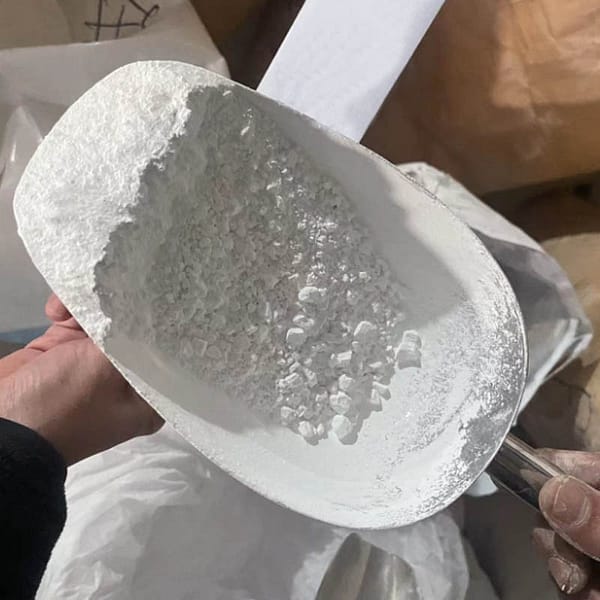
Titan dioxide is employed in the industry of plastics to provide colour and also serves as a UV stabilizer safeguarding against harmful UV radiation. Its dual functionality makes titanium dioxide a crucial component in many plastic products. They range from tough outdoor products to packaging materials.
The Manufacturing Alchemy of Titanium Dioxide Production Processes
The process of producing titanium dioxide requires a number of intricate processes which have two primary methods in the forefront in the process: the sulfuric acid method as well as the chlorination process. Each method is distinctive and has different applications. This has contributed to the versatility of Titanium dioxide in a range of industries.
The Sulfuric Acid Method: This method involves the reaction titanium-bearing ores with sulfuric acid and sulfuric acid, resulting in the formation of a solution of titanium sulfate. This solution is then hydrolyzed and produces the hydrated titanium dioxide. The product that is produced, after being calcinated, is fine white powder which is ready to be integrated into diverse applications, including the paint and paper industries.
The Chlorination Method: In contrast, the chlorination process utilizes chlorine gas to react with titanium-bearing ores, creating titanium tetrachloride. The titanium tetrachloride undergoes a series of chemical transformations before becoming pure titanium dioxide. This technique is widely utilized for the production and use of titanium dioxide by the rubber, plastics, and other industries.
Titanium Dioxide Applications: Art and Science
Paint Brilliance Across Industries: Titanium dioxide’s importance in the painting industry is unmatched. Titanium dioxide is a popular choice among artists, homeowners and industrial customers alike because it is able to create a vibrant white color. Its brilliance isn’t just visible, but practical also. It improves the endurance of painted surfaces.
Shaping Plastics with Radiance: In plastics, titanium dioxide serves a dual purpose. In addition to its function as a white colorant, it acts as a UV stabilizer, offering important protection against the degrading effects of sunlight. This is why titanium dioxide is an integral component of outdoor plastics and ensures that they retain their structural strength and aesthetic appeal through time.
In the paper industry titanium dioxide contributes towards the transparency and clarity of products made of paper. The addition increases the quality of paper and makes the printed material more vibrant and readable. The use of titanium dioxide in the production of paper extends beyond aesthetics, and plays crucial roles in improving the quality of printed papers.
The rubber’s resilience, as well as UV resistance – The rubber industry has the ability to benefit from the UV-resistant properties of titanium dioxide. Titanium dioxide is utilized in rubber products that are exposed to sun radiation and ensures the longevity and quality of rubber based items.
Beyond Pigment: Titanium Dioxide’s Invisible Impact
Titanium dioxide is a very visible pigment. However, its impact extends beyond the color. Due to its ability to improve the durability, resistance and long-lasting properties of materials across various industries it is an invisible yet indispensable component of quality and performance.
Titanium dioxide is an element that has a profound impact on multiple industries. It seamlessly blends into their fabric. As Pigment White 6, it shines on canvasses, both artistic and industrial. The dual processes of sulfuric acid and chlorination expose the alchemy that drives the process, providing the possibility of a variety of applications. Titanium dioxide is an excellent illustration of the harmonious blending of science and art that occurs in manufacturing. It can be used to enhance the appearance of paints, protect the plastic from UV radiation and increase the brightness of papers. The brilliance it gives shines on our lives every day, forming various products with lasting impact and enduring radiance.