In the constantly changing world of benefits for employees, companies are constantly searching for new ways to draw and keep the best talent. Lunches that are subsidised, especially the ones offered by corporate cafeterias or in other workplaces, are a great option to create a positive work atmosphere and boost employee satisfaction.
Understanding Subsidized Meals:
A corporate cafeteria that is subsidized by the business is more than it’s a spot to grab a quick snack. It’s an expression the company’s dedication to its employees’ well-being and wellbeing. The essence of this initiative is in the idea of subsidised food. Employers decide to cover a percentage of the cost for meals, giving employees access to affordable and nutritious options right on-site.
Employee Economic Benefits
One of the most significant benefits of providing employees with meals at a reduced cost is the financial relief it offers. Financial burdens can be high in a world where prices continue to rise. By subsidizing food options employers reduce the burden, allowing their employees to enjoy premium food without putting a strain on their budgets.
Strategic Effect on Employee Satisfaction
Beyond the financial benefits food stipends contribute a lot to overall employee satisfaction. A well-fed workforce is an happy and happy one. When employees are provided with subsidized food options, they can reduce time and stress by not having to leave the office.
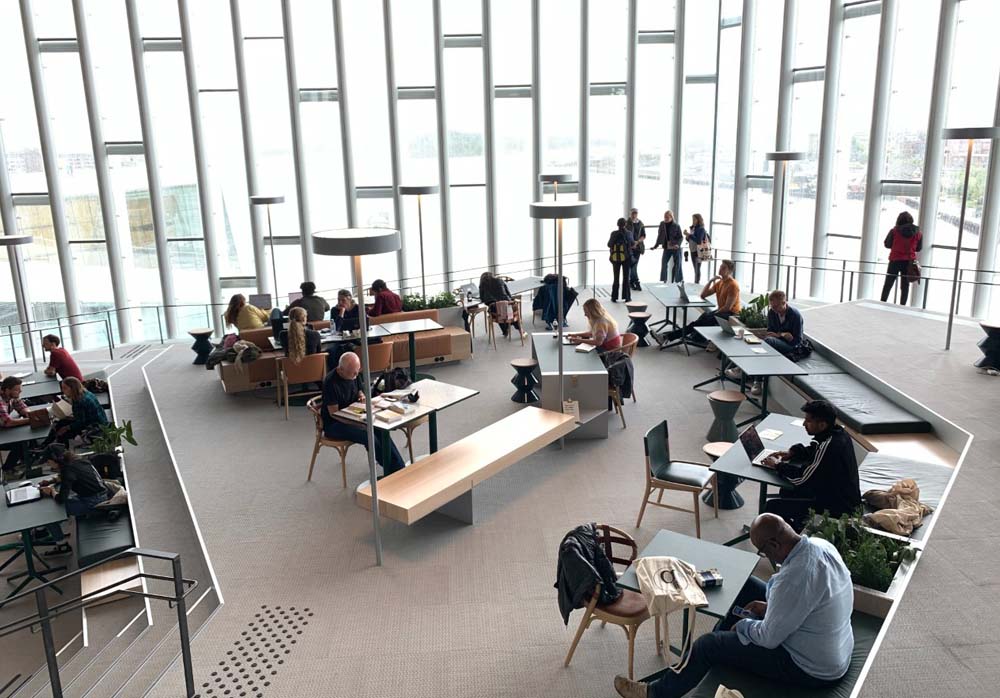
The communal nature of a cafeteria in a company encourages camaraderie and unity among employees. Shared meals create opportunities for networking, collaboration and the exchange of ideas. They ultimately contribute to an overall more unified and lively workplace.
Culinary diversity and employee preferences:
Subsidized meals are also designed to meet the various preferences for food that are prevalent in modern workers. Cafeterias at corporate offices often offer various options, catering to different diets and preferences. A subsidised lunch program allows employees to eat a range of healthy and tasty meals, no matter if they are vegans, vegetarians or have food restrictions.
The role of health and well-being:
Employee health is essential to productivity and long-term success for businesses. Programs that provide meals for subsistence encourage healthy food choices that in turn contribute to the health of employees. Menus can be created in conjunction with nutritionists in order to provide healthy and balanced choices. This can have a positive impact on the overall well-being of employees.
Achieving a Positive Workplace Culture:
Subsidized meals play a crucial role in shaping the culture of a workplace. These meals are a method to convey to employees that the company cares about their wellbeing. This gesture goes far beyond financial compensation. It fosters a sense of optimism and care that encourages loyalty and engagement among employees.
A Win-Win Situation for Employers:
Subsidized food programs are beneficial for employees and employers alike. A well-fed and satisfied workforce is more likely to be productive, creative, and engaged. The positive effect of employee retention and recruiting on the long-term performance of a company can be attributed to its success.
Conclusion:
Subsidized meals especially in the form of corporate cafeterias are much more than a line item within the employee benefits package. They are an investment in the well-being satisfaction, happiness, and overall performance of the workforce. The offering of meals that are subsidised for employees is a great method of fostering positive attitudes within the workplace.