In the constantly changing world of packaging, a novel solution has emerged that allows industries to meet environmental and practical demands. These films, manufactured using the most advanced polyvinyl Alcohol (PVA) technology they are not only versatile but also sustainable. This is why they’re a favorite choice for producers across the world. Leading water soluble film suppliers and manufacturers, like those producing Type GX films, are setting new benchmarks in sustainable packaging solutions.
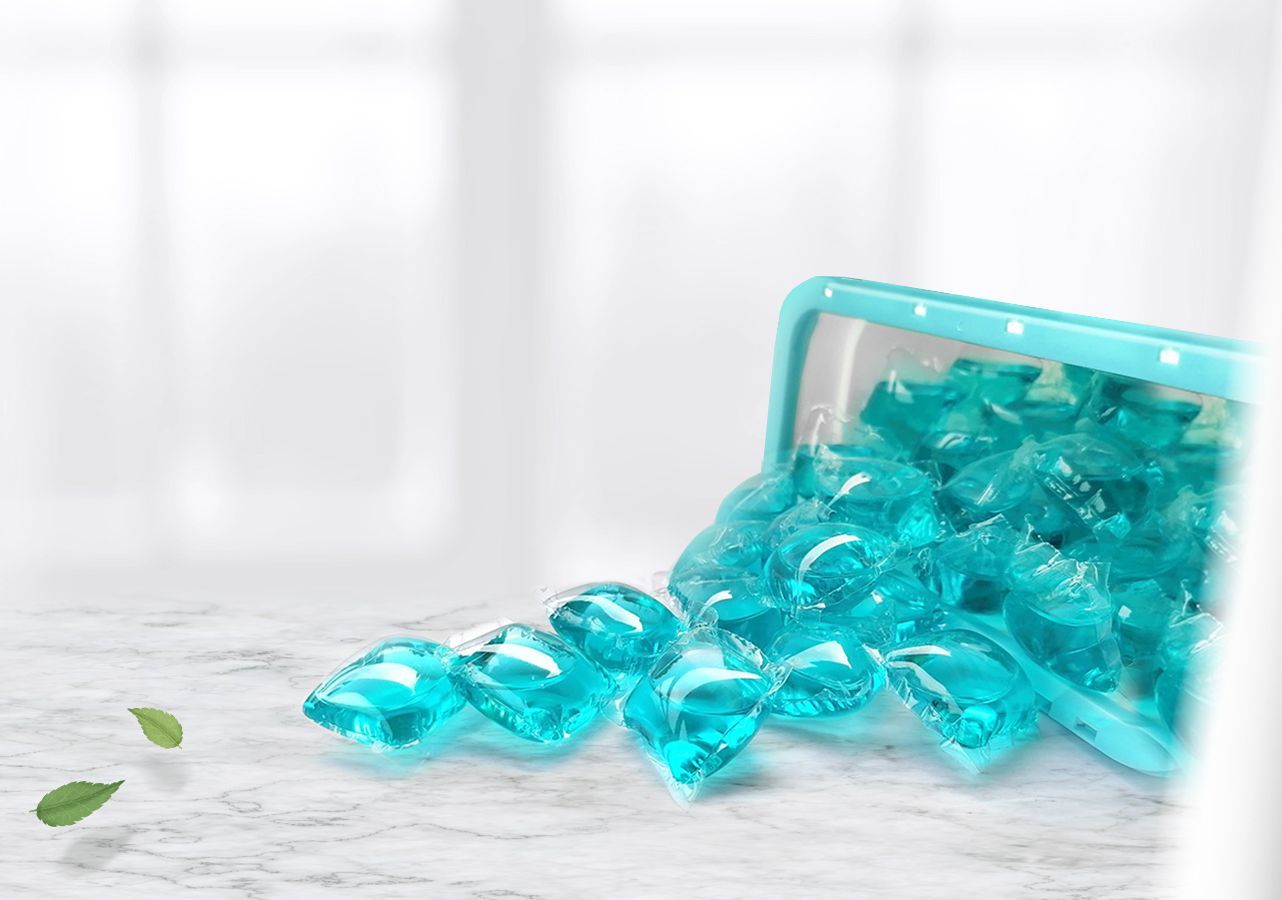
Image credit: watersolubleplastics.com
What are water-soluble film types?
These films dissolve in water completely, without leaving any remnants. They PVA films have many distinctive characteristics, such as their high transparency and strength of compression. They are utilized in liquid and powder capsules in which precision and reliability is critical.
Water soluble films are produced by reputable manufacturers who have improved their production methods to meet the diverse demands. Type GX, for instance is well-known for its flexibility with regard to cavity shapes, and can be used for both mono-chamber and multi-chamber capsules. This adaptability makes water-soluble films a preferred choice in industries like pharmaceuticals, agriculture, and consumer products.
Modern packaging: The role of suppliers of water-soluble film
Water-soluble film producers are essential in helping to bridge the gap between new production and demands from the end user. By offering customized solutions, they can ensure that companies are able to incorporate these films seamlessly into their manufacturing processes.
Suppliers are also integral in promoting the environmental benefits of water-soluble film. In emerging and developed markets like China, these films have become more popular as the global focus shifts towards sustainability. The ability to dissolve safely in water and not harm the environment is a reason to consider water-soluble films as a green alternative to traditional plastic packaging.
Water-Soluble Film Manufacturing: New Innovations
The manufacturing of films that are water-soluble has changed significantly over time, due advances in technology. In the past, PVA was dissolving in water and then sprayed onto molds using a wet process. Although it’s effective, the method is extremely energy-intensive and costly.
Manufacturers of water-soluble films today use the dry method, in which thermoplastic processing converts PVA to film. This method offers several benefits and advantages, such as:
Dry Method: This method consumes less energy, making it more economical.
High Efficiency: The time of production is shortened to meet demand, without compromising the quality.
Many applications are possible The films created by the dry method can be used in a myriad of industries and for a wide array of uses.
Economic Benefits: Lower costs for production result in more affordable solutions for both businesses and consumers.
These innovations have transformed water-soluble film into a promising new material for the packaging industry. They are in alignment with international efforts to limit the impact on the environment.
Water-Soluble Films
The flexibility of films made of water is demonstrated by their use in many different applications:
Pharmaceuticals:
Capsules with water-soluble film ensure accurate dosing of medication and safety in delivery. Their dissolvability ensures optimal performance and ease of use.
Agriculture:
Encapsulating fertilizers and pesticides into water-soluble films allows for a controlled release. It also reduces the risk of environmental pollution.
Consumer Goods
Water-soluble film is often utilized to wrap detergents for laundry and cleaning products and offers both convenience and environmental benefits.
Industrial Applications:
Films are also used to provide temporary protection in the textile and construction industries.
Water-soluble Films Offer Environmental Benefits
One of the major factors behind the increasing popularity of these films is their environmental advantages. They, unlike conventional plastics, break down completely in water. They don’t leave behind any trash behind. This feature reduces waste and reduces landfill burdens.
The modern water-soluble film makers also use eco-friendly production methods. They are made more sustainable by using methods that use less energy.
Why choose Type GX water-soluble film?
The Type GX films are famous for their superior quality and flexibility. Certified for use in modern drum machines like Cloud, GSP (USA) and eme engel (Netherlands) The films deliver reliable performance across various applications.
Their superior transparency and solid sealing characteristics make them perfect for capsules, and their high compressive strength assures long-lasting their durability. Type GX, a leading solution from water soluble films suppliers, is the perfect blend of performance and sustainability.
Conclusion
The demand for environmentally friendly packaging solutions is increasing, and water soluble films are leading the charge in this transition. Water soluble films are set to revolutionize packaging in the modern age. Their flexibility, efficiency and environmental advantages will set them as the new standard.
Companies can take sustainable measures by partnering with innovative manufacturers and suppliers of water-soluble film without compromising quality or performance. Water-soluble film is an excellent illustration of how technology can integrate environmental considerations as society moves towards a more sustainable future.