The availability of toilets in areas that are not accessible, such as campgrounds, trails, parks and many other places, poses an unique problem. Most of these places do not have sewer lines, plumbing, or dependable water access. In these situations, vault toilets provide an efficient solution. Vault toilets are designed to function without water and provide secure sanitation, can be placed in place quickly.
What are the functions of vault toilets without Plumbing
Vault toilets are built on an underground vault that is closed and can be used to collect waste safely. Modern vault toilets control airflow using engines-designed ventilation systems instead of water lines or flushing systems. These systems generate continuous air flow, which draws unpleasant odors out of the bathroom. This helps maintain the cleanliness and comfort for guests.
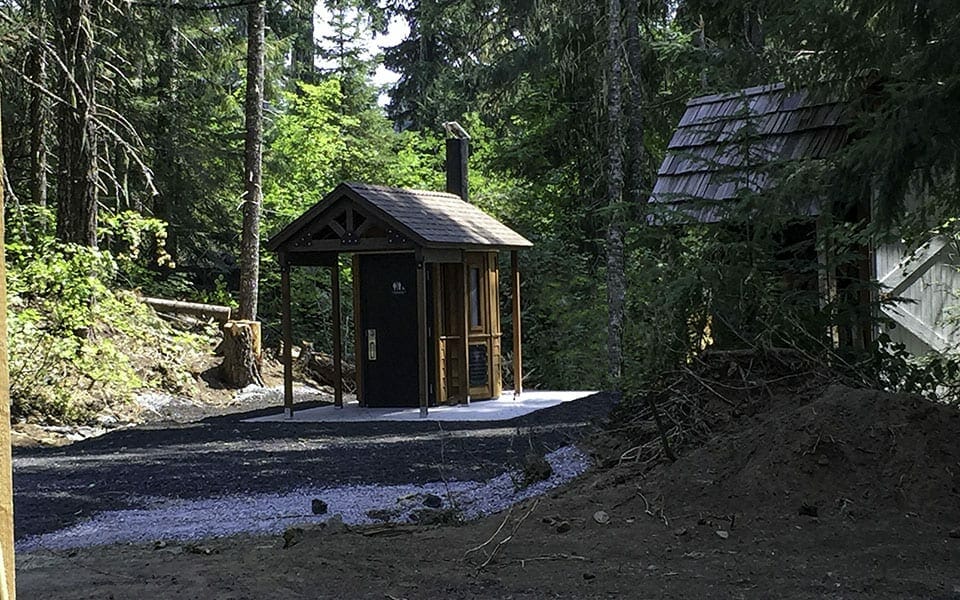
The lack of water makes construction easier, but it also minimizes the environmental impact. Vault toilets can be used in sensitive areas of nature in which disturbance to infrastructure is reduced. The design allows for consistent performance over a range of climates and seasonal usage patterns.
Design for Efficiency and Cost Control
The value-for-money of vault toilets is one the primary reasons for why they are so widely used. Eliminating plumbing infrastructure dramatically reduces excavation, material, as well as labor costs. Vault toilets are an excellent option for land managers as well as park authorities with limited budgets.
Vault toilets, despite their simple job, are not the most basic of structures. For long-term use, compact layouts, single-occupant configurations and solid construction materials were carefully selected. These restrooms have been designed to be easily cleaned and maintained while enduring frequent usage by the public.
Natural Aesthetics for Outdoor Environments
The visual design is important particularly in the parks and recreation areas. The vault toilet is typically situated in rural or scenic places. It’s important to match the surroundings. Options for design include cedar-batt roofing, cedar-shake roofing as well as wood trims and exposed wood posts. The materials used to build vault toilets to blend into the forest, trails and open landscapes.
Other features can enhance both aesthetics and functional. It is possible to include privacy partitions as well as covered spaces or breezeways supported by log beams to improve the user’s comfort while maintaining a consistent appearance. The vault toilets feel more permanent rather than temporary thanks to these components.
Flexible Prefabricated and Site-Built
Vault toilets can be delivered as prefabricated units or built on site according to the requirements of the project. These vault toilets are manufactured off-site before they are delivered and erected. This helps reduce the construction time on site and also reduces the disruption. This type of toilet is particularly useful in remote areas with limited access.
Site-built vault toilets allow greater flexibility in design and can be tailored to match specific architectural themes or site constraints. Both methods employ a formal procedure that includes drawing and specification drawings and approval stages in order to ensure the precision.
Design and Construction Process Comprehensive
Romtec’s approach to vault toilet projects is a co-ordinated technique for design and construction. Romtec is an architect, engineer and manufacturer, who manages each phase of the project from design to installation. This unified approach minimizes delays and simplifies coordination. It also ensures the bathroom is built to meet the requirements for durability and performance.
Understanding the requirements of the site being constructed and its users is the most important step in any project. Complete plan sets and specifications are made available for review, bidding, or direct purchase, allowing project managers to take their first steps without trepidation.
A Long-Term Fix for Public Spaces
Vault toilets continue to be a trusted solution because they deal with real-world challenges efficiently. They provide reliable sanitation where conventional plumbing isn’t practical they also reduce the complexity of construction and help with environmental stewardship. Their adaptability in design and function make them suitable for recreational and parks.
Vault toilets will remain an essential part of the public infrastructure even as outdoor spaces continue to attract visitors throughout the year. The vault toilets are designed with a thoughtful design and constructed for long-term use. They also operate without water.