No matter if you’re an professional or amateur shooter the optic’s parts contribute to making sure you get the best results. It is crucial to know the ins and outs of all parts of your optic to ensure that you perform the best you can with each shot.
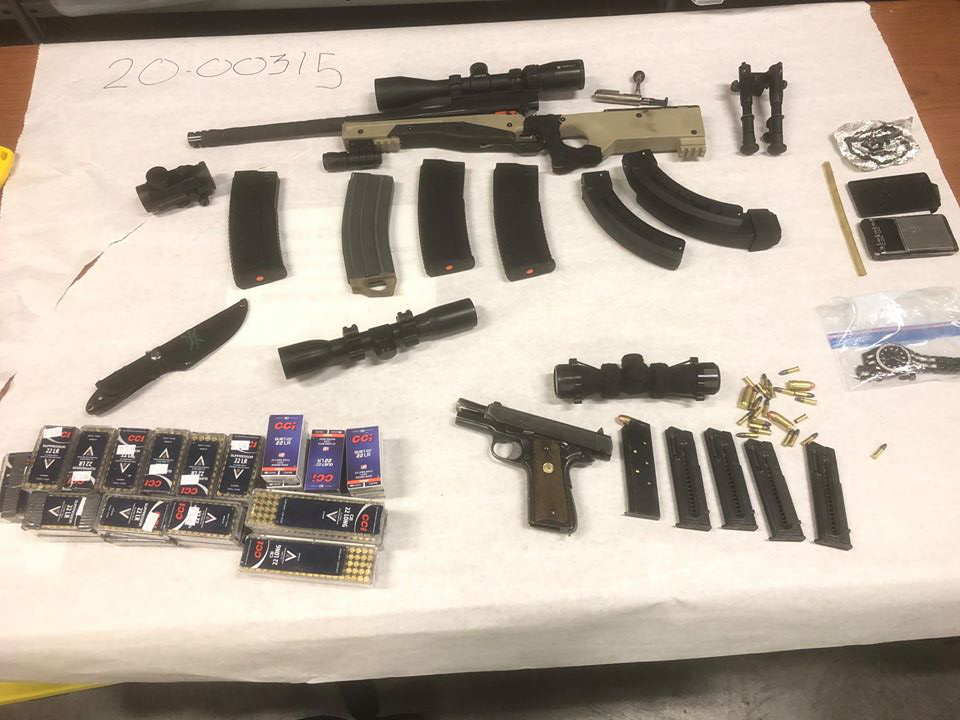
Understanding the significance of opttic parts when shooting Sports
When it comes to shooting sports, whether it be shooting competitions, hunting or simply a casual shoot at the range, having a reliable and precise firearm is essential. But one element that is often ignored yet is crucial in accuracy and precision is the optics part. Optic parts (also known as sights) are used to aid shooters in aiming more accurately and effectively. This article will explore the advantages and significance of optic parts, as well as how they enhance your shooting abilities.
What is Optic Parts?
Optic parts help shooters aim their guns with greater precision. They come in various forms that include iron sights, red dots sights, holographic sights, and magnified scopes. Each part of an optic is unique and has its own advantages. Your shooting preferences and shooting needs will determine the type of optic you pick.
Iron sights are the most basic kind and are most often found on traditional firearms. They consist of front and rear sight post. The shooter is able to align them so that they are pointed at the object. Red dot sights make the reticle appear to be an elongated dot on the lens using a small LED. They are popular due to their quick target acquisition speed and the ease of use. These sights are typically employed in tactical and military applications. They use a laser to create the”hologram”-like the reticle. Furthermore, magnified scopes utilize lenses to increase the size of the target, making it easier to aim accurately over long distances.
Optic Parts Why are They important?
Optic parts aid shooters to aim better and more accurately. By using optic parts, shooters are able to aim more precisely, especially at longer ranges. Optic parts allow for faster target acquisition that lets shooters aim faster and with more accuracy. Additionally, optic parts can help shooters perform precise shooting in low-light conditions and are therefore essential for hunter or tactical scenarios.
The Correct Optic Parts
Selecting the correct optics parts is crucial for the best shooting ability. When choosing an optic part, there are many factors to think about including your shooting needs as well as your budget and the kind of firearm. It is also important to think about the magnification of the optic and the reticle’s type.
Magnification refers the zoom an optics component offers. Magnified scopes are typically utilized for long-range shooting since they allow shooters to accurately aim at targets from hundreds of miles away. But, magnified scopes may not be ideal for close-range shooting. Tactical shooters love red dots and holographic sights due their ability to quickly acquire targets and shoot close-range.
When selecting an optic component it is essential to be aware of the type of the reticle. Different types of reticles are suitable for various shooting conditions. A simple crosshair reticle is well for target shooting while it is a BDC (bullet-drop compensating) type of reticle is suitable for long-range shooting.
Maintaining your Optic Pieces
Once you’ve picked your optics It’s crucial to maintain them in a timely manner. A regular maintenance schedule will ensure that your optic parts are reliable and accurate for a number of years. Some basic maintenance tasks include cleaning the lenses, examining the zero, and storage of the optical parts in a safe manner when they are not in use.
To have clear and precise images, cleaning the lenses is essential. To clean the lenses, utilize a microfiber fabric and an eye cleaner. Avoid using paper towels as they may scratch the lenses.
Examining the zero of your optic components ensures that they’re still aligned correctly. Over time, recoil and other elements can cause optic parts to misalign. To test the zero and align the optics, shoot a few times at a target , then adjust the optic parts according to the need.
For more information, click Red Dot