Do you regret drinking too much alcohol? Unfortunately, the negative effects of alcohol on the body can go beyond a mere hangover. In fact, excessive drinking has been linked with serious organ damage, and a range of illnesses. One particular organ takes the brunt of daily alcohol abuse: your pancreas. Pancreases are the organ responsible for generating hormones and enzymes, such as insulin that break down sugar into energy; however when you drink following a drink, it’s subject to stress, which can put the risk of developing serious health issues that are associated with long-term alcohol use.
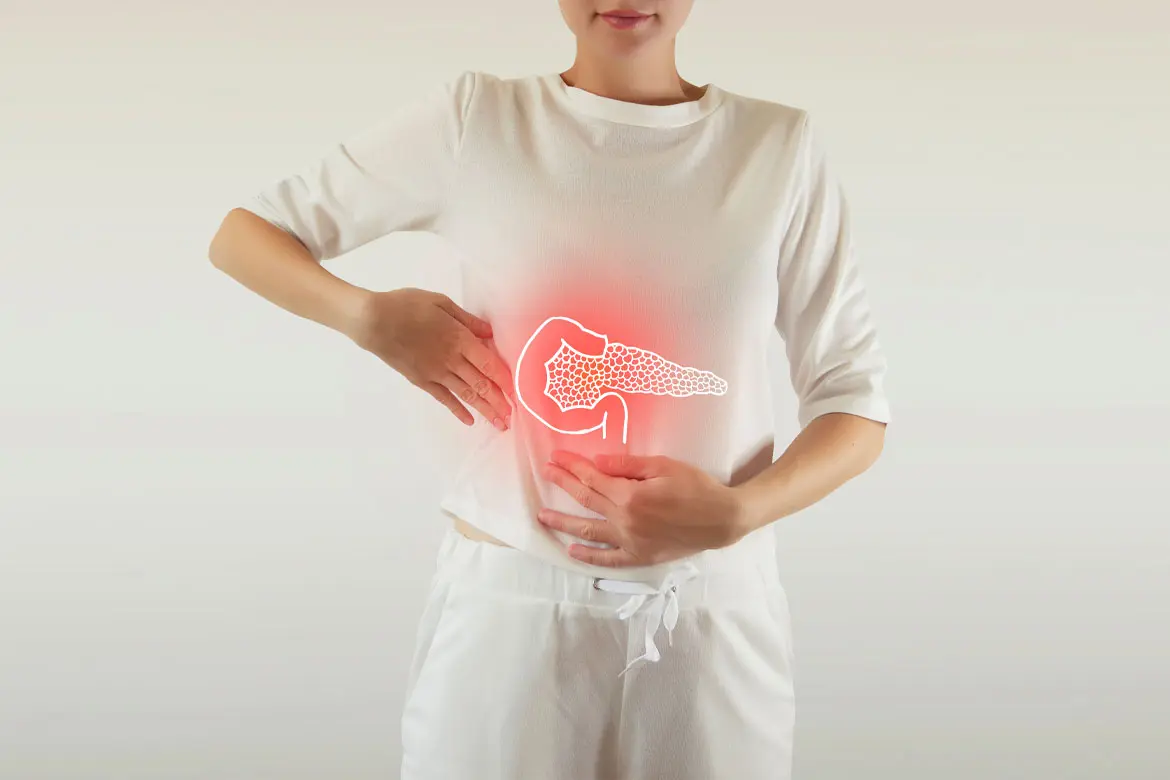
Alcohol is a common substance in our society as many enjoy having a glass or two of wine after work or during the weekend. Moderate alcohol consumption is not detrimental to the majority of people. However, excessive drinking can cause serious health problems which can include damage to your pancreas.
The pancreas which is an essential organ in digestion as well as metabolism, is a crucial organ of the body. It makes enzymes that to break down food items in the small intestine and hormones which regulate blood sugar levels. The pancreas is healthy and functions effectively to support the body’s normal functioning. If alcohol consumption is excessive is a risk to damage the pancreas and cause a variety of health issues.
One of the most serious illnesses that is associated with drinking alcohol and the pancreas is pancreatitis. It is a painful and possibly life-threatening condition of the pancreas that may cause abdominal pain, nausea vomiting, fever, and stomach pain. Chronic pancreatitis may be result of excessive drinking. The condition can cause permanent damage to the pancreas. It could cause digestive issues and nutritional absorption issues.
Alcohol consumption increases the risk of developing pancreatic cancer, an extremely deadly cancer of the pancreas. The consumption of alcohol in excess has been proven to be a major risk factor for the development of pancreatic carcinoma. Those who drink more than three glasses of alcohol per daily are at a greater risk.
What happens to the pancreas? Alcohol is processed in the liver after consumption. Alcohol is metabolized in the liver when it’s overloaded. If the liver becomes overwhelmed and unable to handle the load, alcohol may be metabolized in the pancreas. This could cause inflammation and damage to the pancreas in addition to the formation of scar tissue. With time, this can cause chronic pancreatitis as well as an increased chance of developing pancreatic cancer.
It is not the case that everyone who drinks heavily develops pancreatitis, also known as pancreatic carcinoma. But the chance of developing these conditions is much higher for those who consume a large amount of alcohol on a regular basis. The good news is that reducing alcohol consumption can help prevent damage to the pancreas, and decrease the risk of developing these serious medical conditions.
There are a variety of actions you can take to keep yourself safe from the adverse effects of alcohol on the pancreas. It’s essential to limit your consumption of alcohol to moderate levels. For women, this means 1 drink per week and for males, two drinks. It is recommended to stay clear of drinking alcohol if your history includes pancreatitis or another issues with the pancreas.
In order to protect your pancreas you should also maintain an appropriate diet, exercise regularly and avoid smoking. The lifestyle factors listed above are a key factor in the pancreas’ function.
Over-consumption of alcohol could lead to serious pancreatic problems, such as pancreatitis. If you’re concerned about the effects of alcohol on the pancreas, it’s crucial to limit your drinking to moderate levels and take measures to lead your lifestyle in a healthy way. In doing this you’ll be able to safeguard your pancreas and reduce your chance of developing serious health issues.
For more information, click does drinking affect your pancreas