In the ever-evolving world of electronics Innovation is the key to staying ahead of the technology. As demands for smaller, more flexible, and higher-performance electronic devices increase manufacturers are always looking for innovative ways to improve product assembly. The production of flex circuits is among of the most innovative technologies that has attracted many attention.
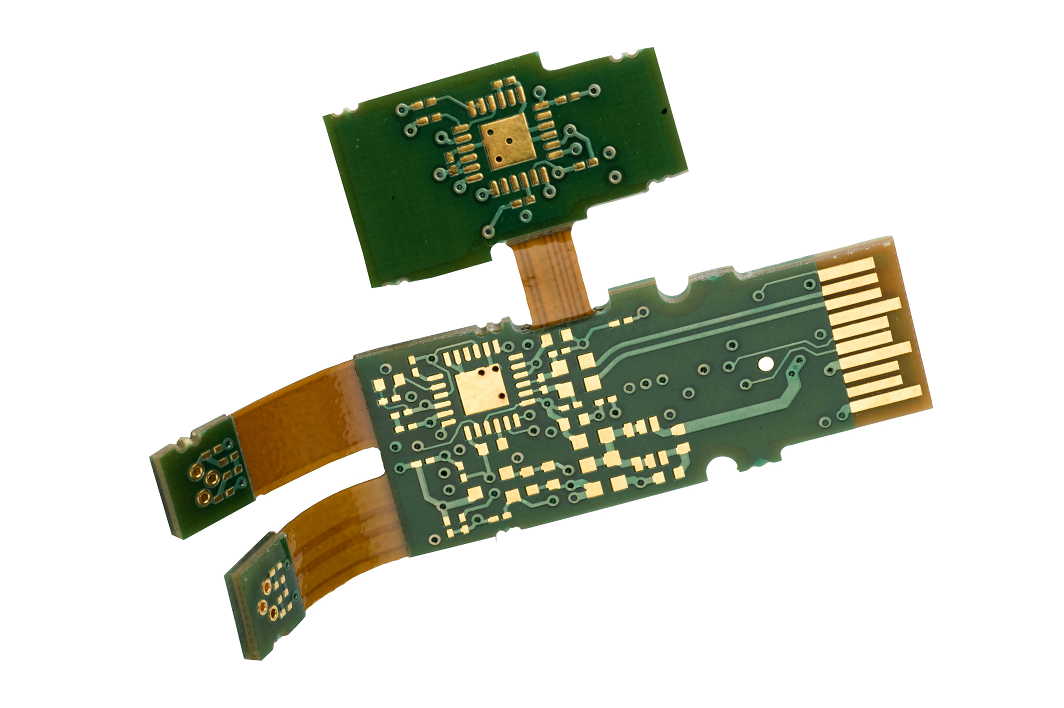
Flexible circuits are also known as flexible printed circuit boards (PCBs) and offer many advantages in comparison to rigid PCBs. These circuits can bend, twist and adapt to various shapes. They are ideal for applications that require intricate designs, limited space or greater durability.
Flex circuits allow manufacturers to challenge design limits with a flexible base that can adjust to the shape and dimensions of the product. This permits more imaginative and compact designs, eventually making lighter and smaller devices. Imagine a smartphone that swivels easily around your wrist. Perhaps a fitness tracker discreetly fitted around your wrist. Perhaps even a smart device with an ergonomic, smooth design. Flex circuits allow designers and engineers to translate their ideas into reality, opening a new world of possibilities for product development.
Flexible circuits last and offer more than just aesthetic advantages. Traditional PCBs can be damaged by vibration, shock and repeatedly stretching. Flex circuits have materials that are resistant to these elements, making them extremely robust. This makes them ideal for industries like automotive, aerospace, and medical, which need electronic components to withstand extreme conditions.
The manufacturing techniques employed in flex circuit production contribute significantly to their impressive capabilities. Flex circuits use a thin flexible substrate like polyester, or polyimide rather than rigid PCBs which comprise multiple layers of fiberglass and copper. The substrate is used as the base of the circuit. It enables the circuit to bend, twist and keep electrical connectivity. Flex circuit manufacturers are able to precisely cut circuit trace, integrate complex interconnects and integrate components into the flexible substrate using the latest manufacturing techniques.
Surface mount technology, also referred to as SMT, allows for the insertion of components into flexible circuits. This allows for greater flexibility and functionalities of these circuits. SMT permits manufacturers to place electronic components directly onto the surface of a flexible circuit. This removes the need for bulky connectors and reduces the dimension of the circuit. This method of streamlined design not only improves signal integrity but additionally reduces weight and increases thermal control.
Moreover, flex circuit manufacturing techniques allow for efficient prototyping and the ability to scale production. The versatility of the circuit’s design allows rapid prototyping phase, accelerating the development process of a product. Flex circuits are also economical for manufacturing in large quantities, as they can be produced in large numbers with automated manufacturing methods. This makes flex circuits a good choice for businesses looking to get their creative ideas onto the market quickly.
Since the need for flexible electronics continues to increase the need for solid flex circuit manufacturers is important. Collaborating with experienced and reputable manufacturers is vital to ensure quality of the product, as well as the accuracy and consistency of the production of flex circuits. These companies are able to provide guidance and insight regarding the design and production process. They are also able to provide guidance on selecting the right materials.
Flex circuits are essential components to reach the highest levels of complexity in modern electronic assemblies. Flex circuits play an important function in the design of complex electronic systems. From consumer electronics to military equipment they are employed in various applications. Flexible substrates that are able to be moved through tight spaces with ease, allow engineers to create complex designs that fit within the footprint of an assembly. Flexible assemblies are more efficient than other routing methods in terms of meeting size constraints. Flexible circuits are the most appropriate choice for projects that require intricate interconnections, combining several technologies into an expertly designed package.