The security of sensitive data has become a priority for all businesses in the modern age. Health Insurance Portability and Accountability Act or HIPAA is a law which provides guidelines to the healthcare industry to manage information, storage, handling and protecting protected health information. HIPAA compliance for healthcare institutions is essential to preserve their image, safeguard patient privacy, and avoid penalization.
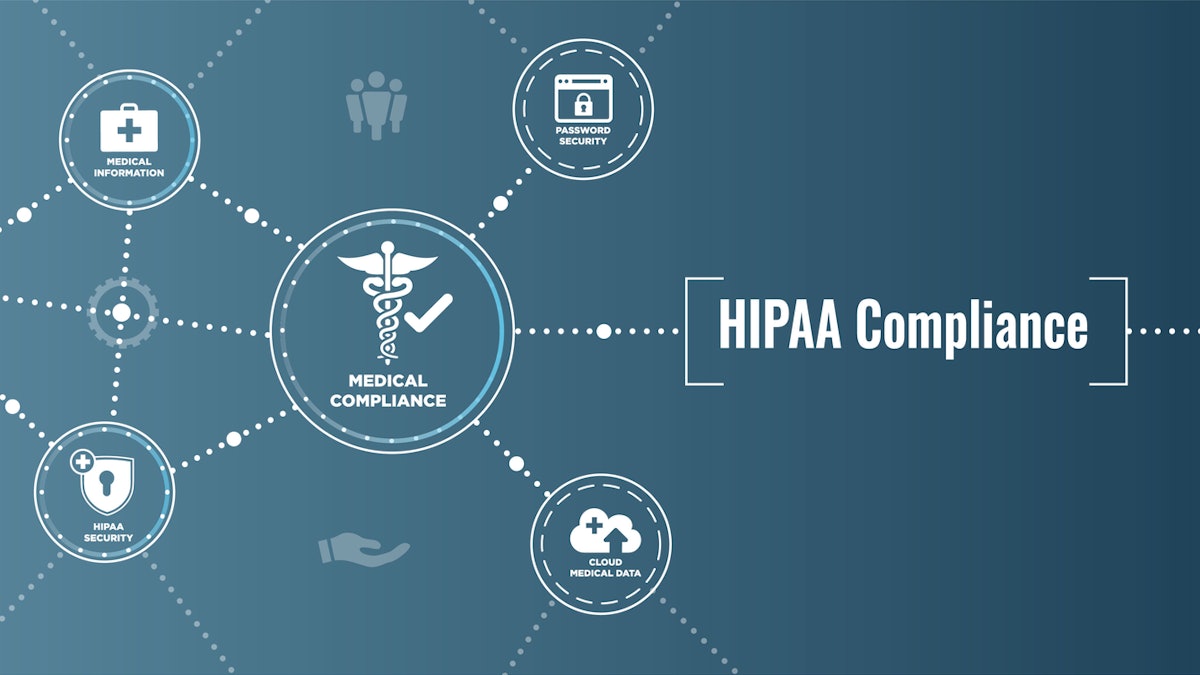
HIPAA legislation covers healthcare providers and health plans, as well as health clearinghouses and business associated with HIPAA-covered entities. PHI is defined as information that could be used to identify a person like names, addresses, credit card details or social security numbers and information about medical procedures and conditions. PHI is a commodity that can be traded on the black market at an expensive price because of its role in identity theft.
The HIPAA Privacy Rule sets forth guidelines for the disclosure and use of PHI. To ensure confidentiality, integrity and availability, covered entities are required to establish policies and practices. These policies should include access controls, security incidents procedures, security-related training and other measures to protect the privacy of PHI. These entities are also required to limit the use of and disclosure of personal information to only what is needed to accomplish their purpose.
The Security Rule of HIPAA requires that all entities who are subject to the rule guarantee the security and confidentiality of ePHI by implementing reasonable and appropriate physical and administrative security measures. These safeguards include access controls, audit controls, integrity control, security of transmission, and contingency planning. Entities covered by the policy must conduct periodic risk assessments to determine vulnerabilities and implement measures to mitigate the risks.
The HIPAA Breach Notification Rule obliges covered entities to notify the affected patients, Secretary of Health and Human Services and in some cases media about any breach of encrypted PHI. The law defines a breach as acquisition, access, use or disclosure of PHI in a manner that is not allowed by the Privacy Rule that interferes with the security or privacy of PHI. The covered entities must undertake a risk analysis order to determine whether the PHI is in danger and what harm may be caused by the breach.
HIPAA obliges all employees to receive continuous education and training to help them understand their roles and responsibilities with regard to the privacy and security of patients. Regular risk assessments are required by the covered entities to find any vulnerabilities they might have. They then have to implement measures to minimize the risk. The measures include installing security controls or encryption of ePHI or preparing contingency plans in case of a potential security incident.
Technology has had a significant impact across all areas of our lives which includes healthcare. Electronic health records have proved revolutionary, allowing healthcare providers to manage and store the patient’s information in a seamless manner. HIPAA compliance is vital due to the numerous cyber-security risks that have been uncovered. Patients’ data is sensitive and should be kept in a secure environment at all times. HIPAA is never more important than it is now, in light of the constant danger of cyberattacks targeting healthcare institutions. HIPAA is an act that can help protect patient privacy and information security, and thus increase trust among patients towards their health care providers.
HIPAA can help healthcare providers to maintain patient trust and protect their privacy. Not complying with HIPAA regulations could lead to large fines, legal action and reputational harm. The Department of Health and Human Services’ Office for Civil Rights (OCR) is responsible for enforcing HIPAA regulations. They also have the authority to investigate complaints as well as conduct compliance reviews.
HIPAA compliance in the current digital age is essential for healthcare organizations. HIPAA regulations set out guidelines regarding the management, storage and handling protected health information. Health care organizations must have in place policies and procedures to ensure compliance to HIPAA regulations. They should regularly conduct risk assessments and train and train their employees. They can avoid legal and financial penalties by maintaining the trust of patients.
For more information, click why is hipaa important