The cost of an septic system is one crucial factor to think about for New Hampshire property and home owners when installing or replacing a septic system. Living in the Granite State comes with many benefits, but one the disadvantages is the possibility of costly maintenance expenses due to weather patterns that are unpredictable and steep terrain. Understanding the amount the installation or replacement of your septic is likely to cost allows you to budget appropriately and ensure you have included everything you need to consider when making this essential home upgrade.
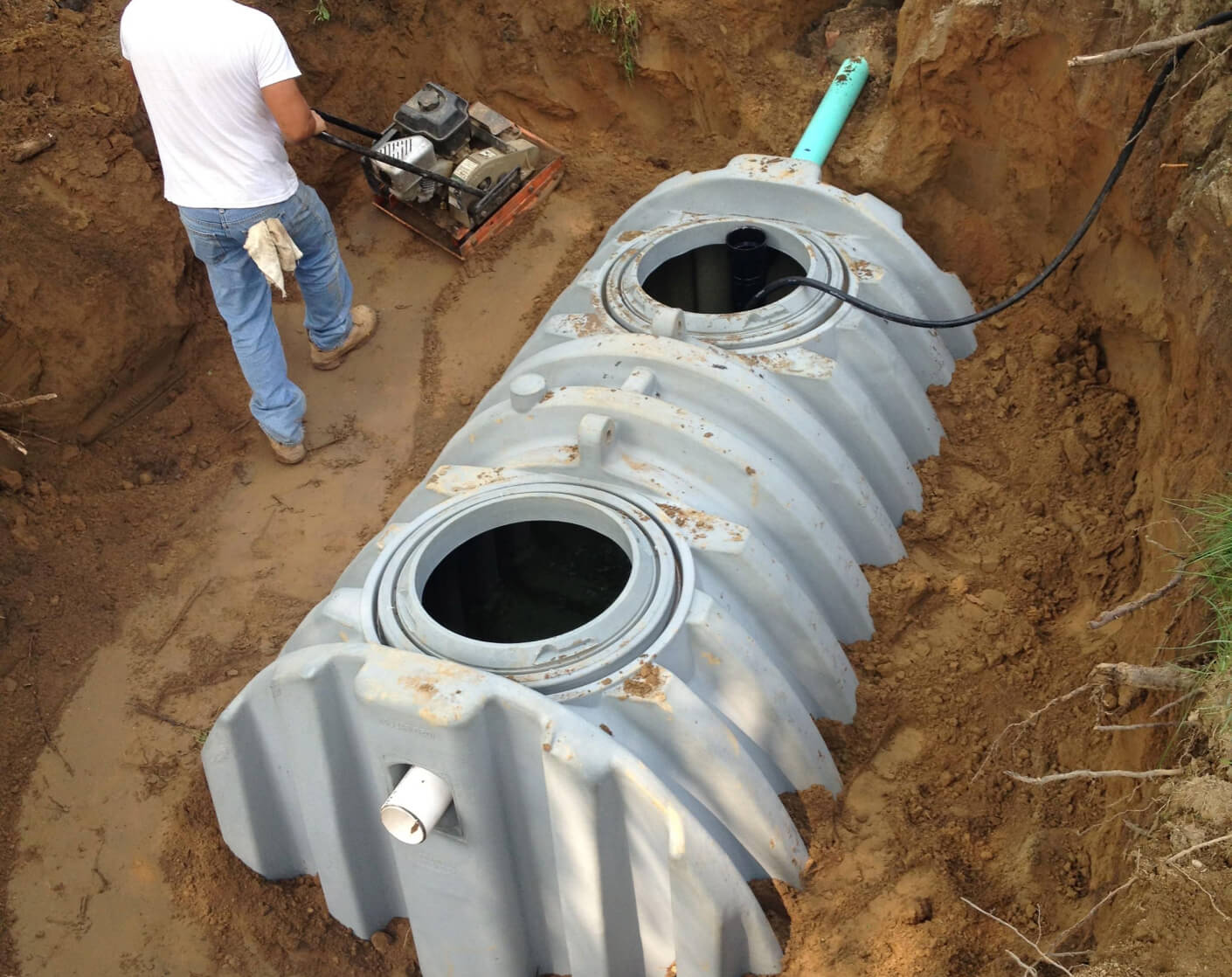
Septic systems can be used to treat wastewater within New Hampshire. They are particularly prevalent in rural areas, where there are no municipal sewer systems. However, new septic system cost can vary depending on several factors, such as the size of the property, the soil condition, and the type of system chosen.
Septic system installation cost
The price for installing a septic system in New Hampshire can range from $5,000 up to $15,000, dependent on the size of the property, the type of system and soil condition. On an average, homeowners are likely to spend around $8,000 on an installation for a standard septic system.
Standard septic systems typically include an septic field as well as Septic tank. The size of both the tank and leach field will depend on the quantity and estimated daily usage of water in your home. The price of installation will be higher if you have a bigger house or use more water.
New Hampshire septic installation costs can also be affected by the condition of the soil. If the soil is too hard or is too saturated with water, it might need additional excavation and preparation, which will increase the total cost.
Cost of a new septic system
Septic systems can last between 20 to 30 years. The cost to replace the septic system in New Hampshire ranges from $10,000 to $30,000 depending upon the size, type, and the condition of the soil.
It’s more costly to install a new septic tank than it is to construct one due to the fact that you need to take away the old system. The cost of replacing a sewer system can vary according to the size of the property access and accessibility as well as the preparation and excavation required.
Septic system maintenance cost
Septic system maintenance is essential to ensure the system works properly and lasts as long as possible. Regular maintenance consists of inspecting and cleaning the tanks for septic every three to 5 years.
The cost of septic system maintenance in New Hampshire can vary depending on the size of the tank and the geographical location of the property. homeowners can anticipate to pay between $400 and 600 for septic pumping and inspection.
Save the cost of septic systems.
While septic systems can be costly, homeowners can find ways to cut down on these expenses. Here are a few tips to save money on the cost of septic systems in New Hampshire:
Select the best kind of system: There are many varieties of septic systems on the market that include gravity-fed systems, pressure distribution systems and aerobic treatment units. Choosing the right type of system for your property and usage of water can lower the cost of maintenance and installation.
Regular maintenance will help you save money on repairs or replacements in the future. Make sure to schedule regular inspections of your septic tank and pumping checks to ensure the system is operating correctly.
Conserve water: Conserving water can help reduce the workload for the septic system and extend its life. Repair leaks, repair running toilets and utilize fixtures and appliances that use less water.
Professional installation: Although DIY septic installation may seem cost-effective, it may result in costly repairs or replacements later on. A professional can guarantee that the installation is done correctly and efficiently.
The addition of a sewage system can help maintain your home in good condition. This is particularly true for New Hampshire. With the help of knowledgeable and qualified professionals, this job can be accomplished without any hassle or expense. Doing so will guarantee you greater performance from your septic system for long time to come. If executed correctly, are well worthwhile because they can prevent unpleasant smells, backups or overflows. The long-term advantages of upgrading your septic tanks, as well as the other components are worth it. It’s important to choose an expert who is knowledgeable with the area, regulations, and the repairs needed to ensure you receive long-lasting and reliable service.