The discomfort that braces cause is an inevitable aspect of the process. Understanding the cause of pain, whether it is fixed braces or the general ache associated with orthodontic adjustments, can ensure that to make your experience more enjoyable. experience. For more information, click zahnspange tut weh
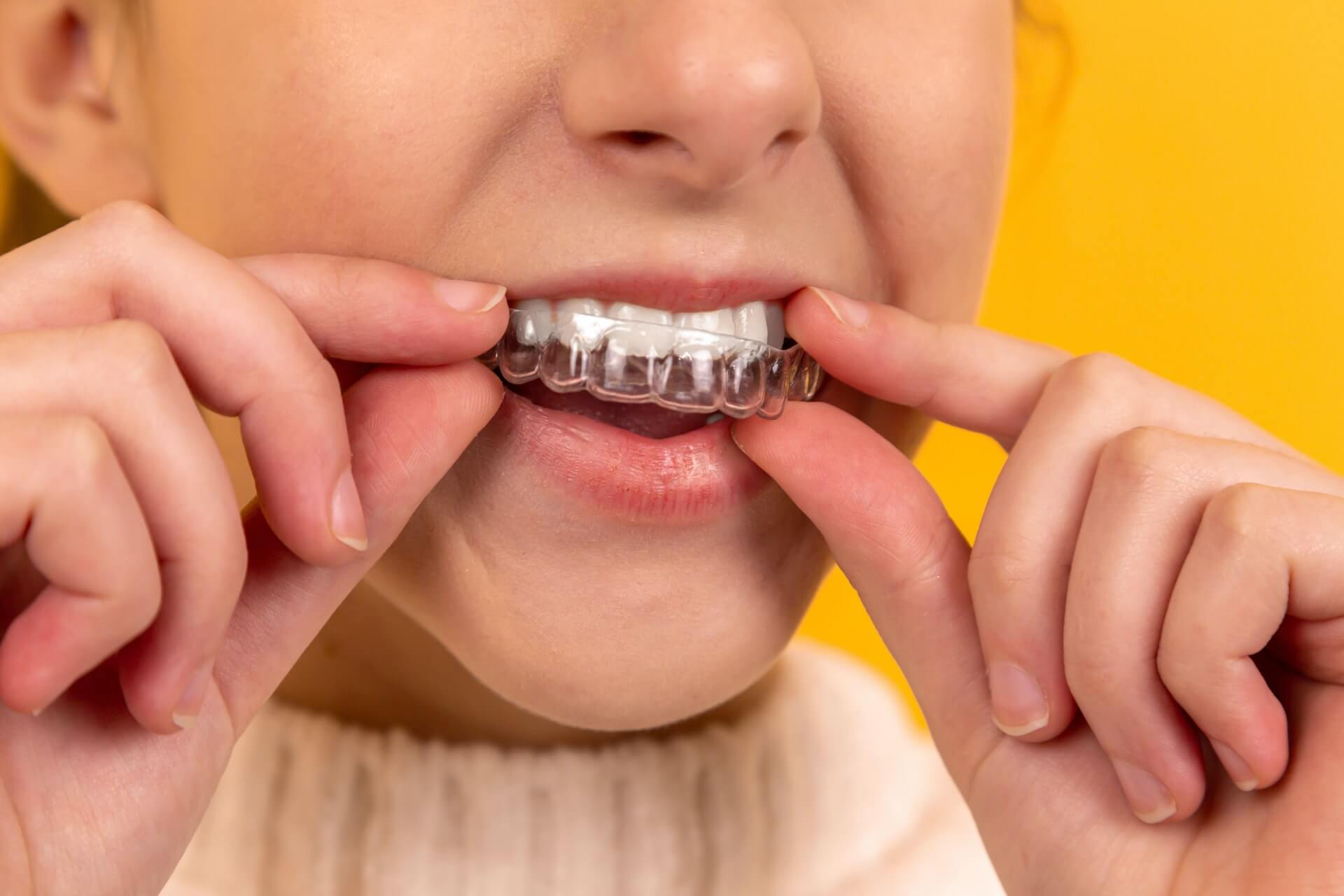
Braces hurt is a typical complaint.
Braces may cause discomfort initially, especially in the beginning stages of treatment. It is possible that the pressure placed on teeth to help them move can cause pain. It’s especially the case with braces that are fixed. Brackets and wires are connected to the teeth, and they create an ongoing pressure that could cause discomfort.
Relieving Pain: A Balancing Act
Braces can be uncomfortable. However there are some methods to reduce the pain. To avoid gum disease, that can be an effect of neglecting oral hygiene during orthodontic treatments, it is essential to practice good oral health habits. Ice packs, painkillers, soft food items as well as professional cleaning of teeth will all aid in reducing the discomfort that comes with braces.
Find relief from Jaw Joint Pain with braces
Some people may have jaw joint pain while wearing braces. The pain could be due to the adjustment of the bite or the pressure exerted on the jaw joint during orthodontic treatment. The process of finding relief depends on finding out the source of the discomfort.
Soft Foods and Cooling Techniques: Comfortable Approaches to Orthodontic Pain
Soft foods are vital to managing the discomfort caused by braces. By choosing softer, more gentle textures, you can reduce the strain on teeth and braces, and provides relief in times of increased sensibility. In addition, cooling techniques such as cold compresses or ice are a great way to reduce the pain and decrease swelling.
Painkillers and professional teeth cleaning Other aids for pain relief
In cases where the pain is persistent or gets unbearable, judicious use of painkillers may give temporary relief. But it’s important to consult your orthodontist and dentist prior to attempting prescription medications. Additionally, professional cleaning of your teeth is an important part of braces relief since it guarantees proper oral hygiene, and helps to reduce the risk of complications.
The Role of Dental Wax in Braces for Pain Relief
Dental lubricant is an effective way to lessen the discomfort associated with braces. This simple, yet valuable tool forms a barrier which keeps braces away from oral tissues, and also reduces friction and irritation.
Understanding Dental Wax Magic: A Protective Barrier for Braces Pain
Dental wax is soft and malleable. Orthodontic patients can use it to calm areas that are being affected by braces. If wires, brackets or other elements rub against the oral tissues that are sensitive The dental wax acts like a shield, stopping direct contact and reducing friction. This does not only provide immediate relief, but also allows the affected area to heal without continual irritation.
Take on specific problems: screws, brackets and dental wax
Dental wax can be used to solve a variety of issues with braces. Dental wax is able to be applied to areas which cause irritation, whether it is the bracket edges or the protruding screws. Its rapid application and ease of application make it a great remedy for orthodontics patients looking for relief immediately.
Know when to act: Braces Pain that Persistent
In the course of orthodontic treatment, some discomfort is normal but persistent or unbearable symptoms should prompt you to take action. Seeking professional advice is essential in the event that pain lasts longer than two days and then becomes unbearable. Orthodontists can identify the root cause of pain, adjust braces as necessary and offer specific recommendations.
The Dental Wax Treatment: The treatment is both comfortable and efficient.
Knowing the root of braces-related pain and its causes is crucial for the most effective treatment. There are numerous ways to ease the pain of braces such as using dental wax or applying cooling techniques. Utilizing these methods as well as consulting a doctor when needed will help to ensure that your orthodontic experience is as relaxing as you can get.