The phrase “torque-converter” will be well known to automobile enthusiasts. In automotive engineering, torque convertors are vital, particularly when it comes to automatic transmission systems. These marvels of engineering are essential to maintaining smooth vehicle operation and power transmission as well as the enjoyment of driving. This guide will explain the inner workings of the torque converter to shed light on their essential function in the field of automotive technology.
Torque Converters How to Know
The Essence of Power Transmission: At its heart, an torque converter is a kind of fluid coupling specifically designed to be used in automatic transmissions. Its primary role is to transfer energy from the engine into the transmission which in turn propels the wheel. This system operates smoothly within the automatic gearbox and bridges the gap between the movement of wheels and the engine’s power.
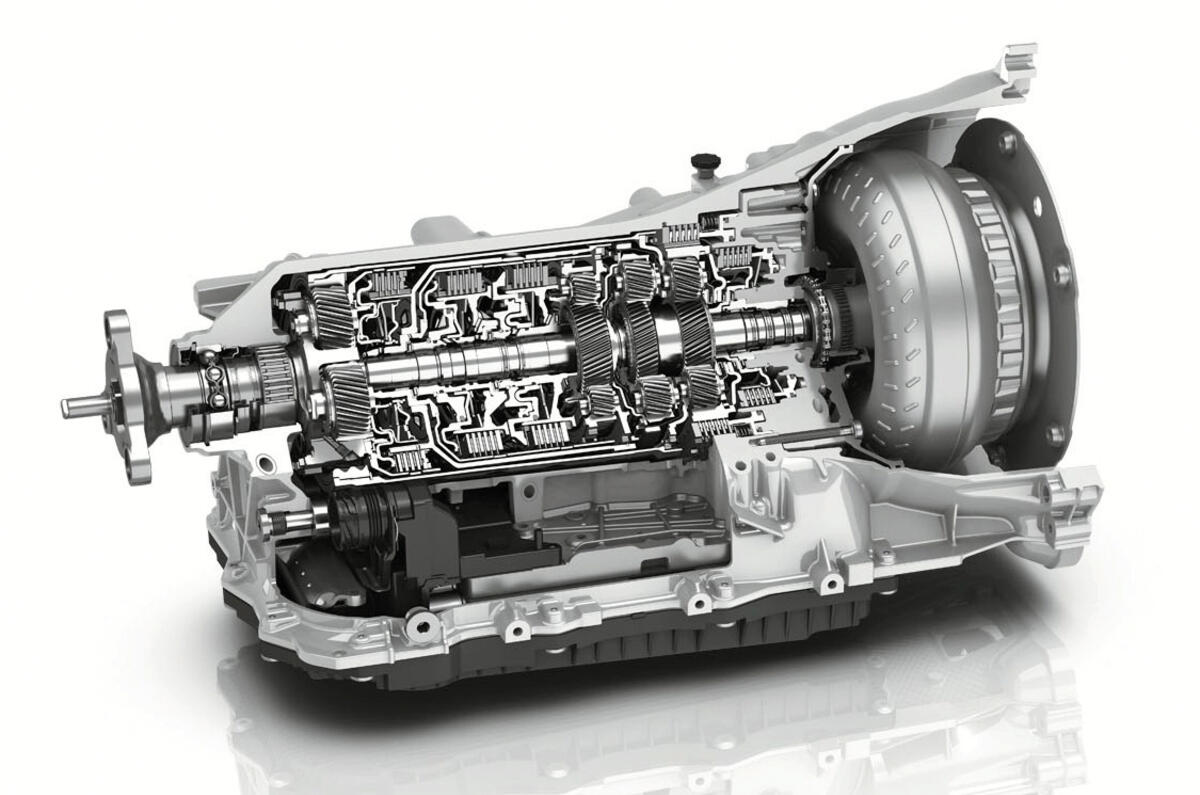
Components at Work The torque converter is an advanced unit made of three vital elements: the impeller, the turbine and the stator. These components work together to convert torque, and then transmit power.
Breaking Down the Mechanism
The inner workings of a converter are fascinating, involving intricate interactions that result in the efficient transfer of power:
Impeller Initiation: When the engine starts and the impeller spins, it will be spun. The impeller is fundamentally a fan-shaped structure which moves fluids in the converter. When the impeller spins it generates a flow of fluid that strikes the turbine’s blades.
Turbine response: The fluid hitting the impeller triggers the turbine which is connected to the shaft that feeds into the transmission. This causes the turbine to be put into motion and spin at a pace proportional with the movement of the impeller. The turbine generates power by getting energy kinetic.
The Stator as a Method to Improve Efficiency
The stator is one of most important components of the process of making a torque converter. The stator is situated between the impellers and turbines and is crucial in increasing the efficiency of power transmission.
Fluid Redirecting Mechanism: The stator performs by redirecting fluid flow between turbines and impellers. This redirection is essential to improving the torque output and also ensuring the efficient transfer of power. The stator controls the flow of fluid, which is essential to ensure a reliable and balanced operation. For more information, click what is a torque converter
Torque converters are crucial in driving.
The function of a torque converter holds significant importance to the driving experience:
1. Smooth Transitions: The construction and the mechanics of a torque converter play a role in the smooth transition between gears in automatic transmissions. Fluid coupling torque converters do not need manual engagement of the clutch. This allows for seamless shifts of the gears without interrupting the power flow.
2. Torque converters can also help in preventing engine stalls. The fluid coupling permits for the engine to run when the vehicle is stopped. This results in a consistent idle and also eliminates the need to engage the clutch manually when the vehicle has stopped.
3. Efficiency and Power Delivery Through optimizing power transfer and torque output the torque converters help to provide effective power delivery. The overall driving experience is enhanced thanks to the torque converters which give the power required for acceleration and cruise.
In the end torque converters are intricate mechanical components that form the foundation of automatic transmission systems. Fluid coupling, which is facilitated by the stator, turbine, and impeller, allow for seamless transfer of engine power to the transmission. This transmission is reliable and contributes to smoother gear changes, preventing slowing down or idling, as well as improving overall driving efficiency.
Understanding the role of torque converters is crucial for car enthusiasts and engineers. They represent the fusion of fluid dynamics and engineering and ensure that every drive is smooth and efficient. The torque converter remains the most important component of car technology as it continues improve. It is a testament to how mechanics and functions interact.