The ability to visualise the products in an interactive and real-life way is a game changer the world of digital retail and e-commerce that are fast-changing. This is particularly true for the furniture sector where the feeling as well as the appearance and feel of the product are important factors that influence the final purchase. The 3D Product Configurator is a cutting-edge device that has changed the ways people buy furniture online as well as in shops.
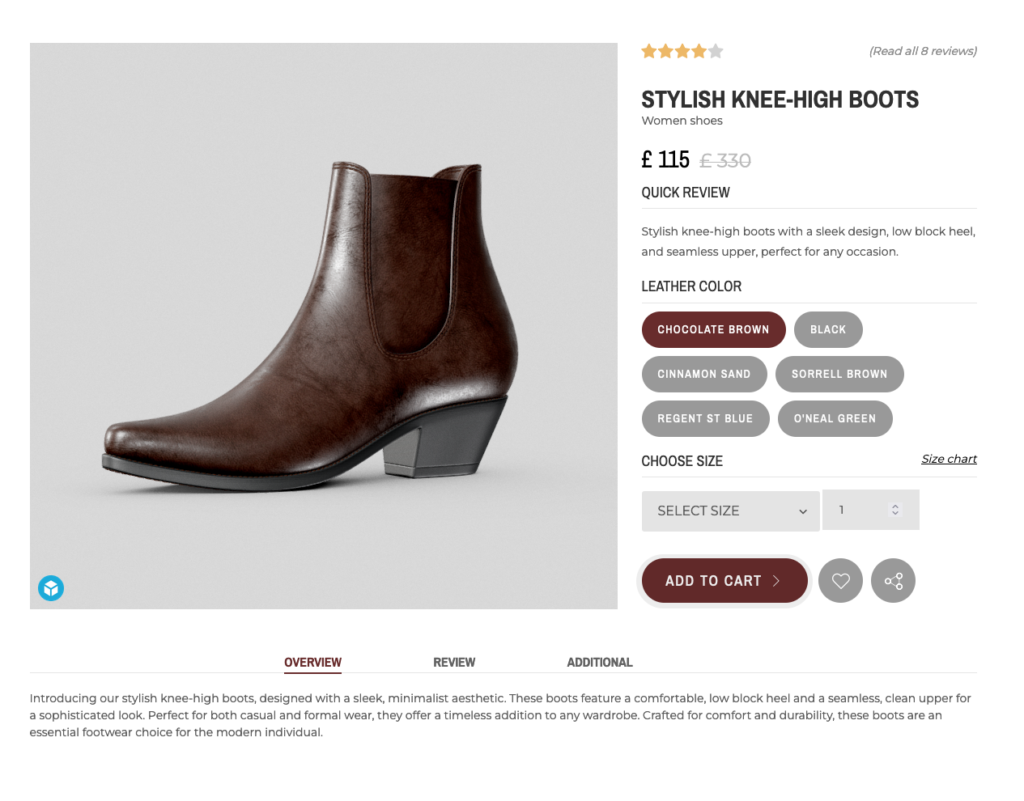
Rise of 3D Product Configurators
A 3D Product Configurator is an electronic product that allows customers to view and interact in three dimensions. The 3D product configurator lets users to rotate or zoom in on products as they are displayed, rather than static images. This is becoming increasingly used in the furniture business that offers a fluid and enjoyable shopping experience.
Enhancing Customer Experience with Online Furniture Configurators
One of the most significant advantages of using a furniture configurator online is the enhanced customer experience it offers. The furniture configurator allows customers to see the piece from a variety of angles and even pick their own colors as well as finishes, materials and even visualize the way it will appear at home. This interactive experience doesn’t just make shopping more enjoyable but will also assist customers in making more educated buying decisions.
For example, Virtenzo’s 3D furniture configurator enables customers to enhance their online shopping experience by providing amazing 3D quality and custom options. This type of interaction helps bridge the gap between physical and online shopping, making customers more confident about their decisions.
Boosting E-commerce Sales with Interactive 3D Furniture Configurators
3D product configurations can have significant impact on e-commerce sales. Interactive 3D visualizations may increase conversion rates, and decrease the number of returns. If customers can easily understand what they’re purchasing, they’ll be more likely to complete the purchase.
A 3D furniture configurator allows retailers to show many different product variants without having to develop and document every single one. This allows retailers to display an array of variations without having to produce and take pictures of every one.
The future of furniture shopping: Immersive 3D Configurators
Immersive 3D configurators are shaping the future of furniture buying as technology improves. These tools will be even more advanced and include features like virtual reality and augmented reality to further improve shopping experience.
Customers can use AR or VR on their smartphones to explore a product’s appearance in the actual setting. These new technologies allow shopping to be more interactive and personalized.
Implementing 3D Product Configurators: A Guide for Furniture Makers
Implementing a 3D configurator to help furniture manufacturers as well as retailers can be challenging. The benefits are higher than the obstacles. This is a step-by procedure guide to start:
Choose the Right Platform. Select a platform that matches your goals and business needs. Features like flexibility, integration, and customization are essential.
Digitize Your Products: Create quality 3D models of your furniture pieces. This could require hiring experts to ensure precision and accuracy.
Integrate Your Website with Your Store Begin working with your website’s development team to integrate the configurator to your store online. Ensure it is mobile-friendly to provide users with all devices.
Make your experience more immersive with AR/VR. Add AR or VR to make it even more immersive.
Marketing Your New Tool: Sell your 3D Configurator’s new features through your marketing channels. Insist on the benefits it offers to your customers and provide tutorials on how to use it.
You can also read our conclusion.
3D configurators for products are changing the furniture market, giving customers a unique experience and growing sales. In allowing customers to interact with products and customise their preferences in real time, these tools make the difference between online and in-store shopping which makes shopping more exciting and knowledgeable. The integration of AR/VR will continue to change the way people shop as technology advances. Experiences that are immersive in shopping are now the standard. It is clear that embracing this technology by furniture producers and retailers isn’t an option but is a requirement for them to be competitive in today’s digital world.