The background of the Church of Jesus Christ of Latter-Day Saints, often known as the Mormon Church, holds a complex narrative concerning race relations, and specifically Blacks within Mormonism. This article will provide a factual examination of how Black individuals were treated historically within the Mormon Church. We will look at the policies that were enforced and the Church’s gradual shift away from the past practices and beliefs.
Blacks and Mormonism A Historical Overview
Between 1852 and 1978 between 1852 and 1978 the Mormon Church was able to enforce a rule that prohibited blacks within Mormonism from ordination to the priesthood. This decision was the result of religious and racial prejudices during the time. Black individuals were disqualified from certain rituals and obligations within the Church, resulting in being a minority within the Mormon community. It is essential to understand that this discrimination wasn’t exclusive to Mormonism. It was a reflection of racial prejudices that were commonplace throughout American culture during that period.
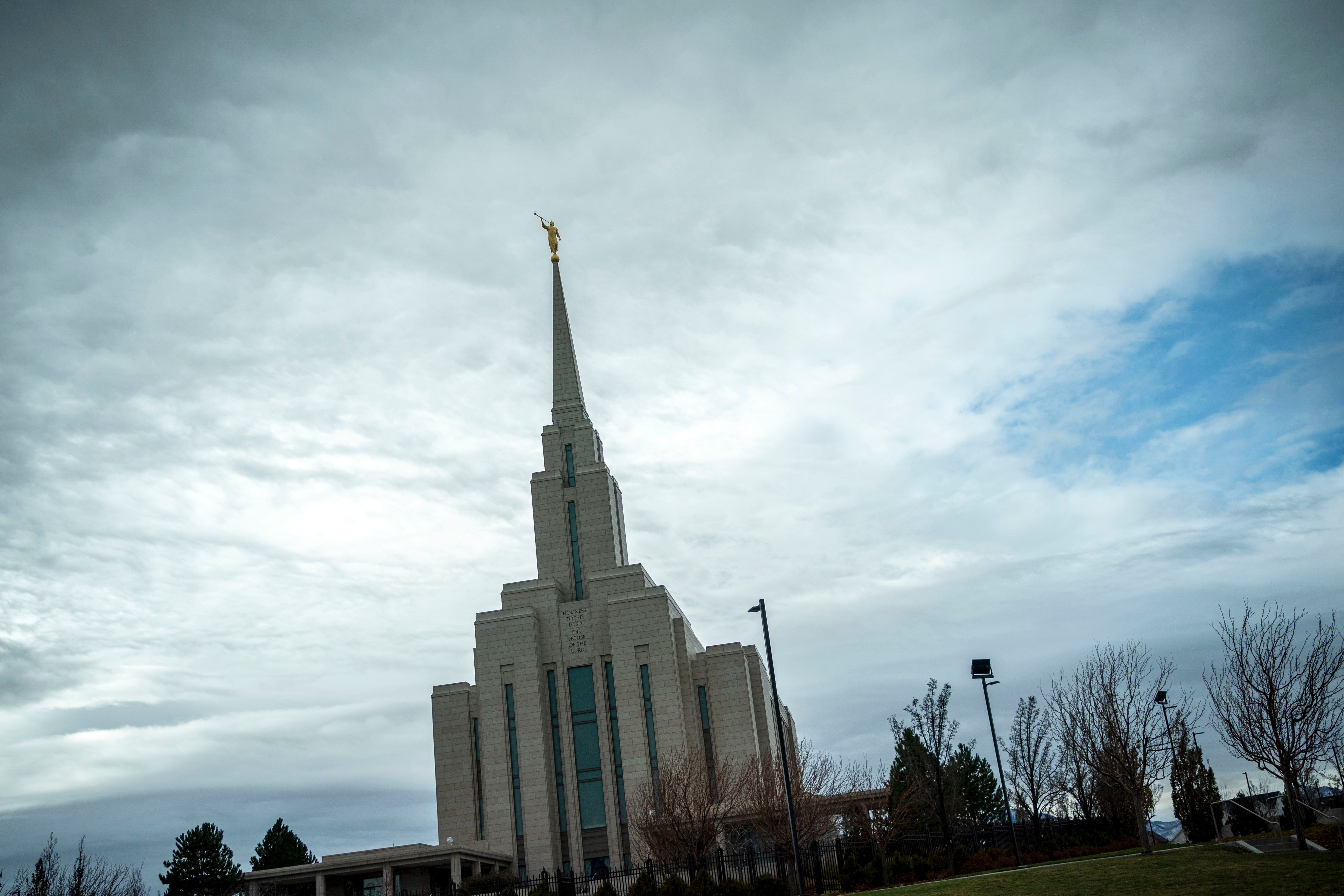
Mormon Black People and the 1978 Revelation
In 1978, Spencer W. Kimball received what Mormons believe to be a revelation from God regarding the exclusions of Blacks from priesthood. This revelation, believed to be an important moment, ended the restriction that was in place for over 100 years. The Church of Jesus Christ of Latter-Day Saints declared that Black individuals could now hold the priesthood, and take part in the activities of the Church.
The Church of today has a clear stance against the racist ideology, while encouraging the unity of all people and encouraging everyone to join in the love of Jesus Christ, regardless of race. The doctrine is now announcing that all people are equal insisting that God will accept everyone regardless of race, gender, or social standing. For more information, click Mormon Black People
Joseph Smith’s Fair Treatment of Black Individuals
Joseph Smith, the founder of the Mormon Church, treated Black people with respect, despite the prejudices prevalent at the time. Joseph Smith is known to have appointed Blacks to the priesthood in his lifetime. This practice was consistent with Smith’s stance on equality and inclusion within the Church. But, the next leaders adopted policies that barred Black people from priesthood, reflecting the evolving attitude towards race within the middle of the 19th century.
Racism is a problem that needs to be addressed and advancing towards unity
The Church of Jesus Christ of Latter-Day Saints is taking significant actions in the present to fight racism and foster unity among its members. The Church has made public statements that have renounced the past beliefs about race. They insist that racism, in any form, is incompatible with the teachings and fundamental doctrines of the Church.
The Church actively promotes understanding respect, and love among its diverse membership by recognizing the worth and worth of every individual. Members are educated on the importance of rejecting prejudiced views, as well as inclusivity, cultural awareness and sensibility.
Also, you can read our conclusion.
Knowing the Church of Jesus Christ of Latter-Day Saintsand its evolution in dealing with racial issues and the history of Blacks within Mormonism is crucial to building unity. The Church’s history of trauma can be seen in a law which for a long time was a barrier to Blacks from ordination to the priesthood. However, the subsequent announcement in 1978 marked the beginning of a new era, signalling a commitment to inclusivity and equality.
The current position of the Mormon Church rejects racism, defends equality, and advocates for the love and acceptance of the members of the Church. The Church has been actively moving forward in addressing its previous racial prejudices and making meaningful progress. It is working to ensure all members feel valued and appreciated within the Mormon community.